 ×
HOME
THE BAND
GALLERY
BOOK US
FUNCTION
WEDDINGS
LIVE GIGS
CORPORATE EVENTS
PRIVATE PARTIES
BLOGS
Email:
info@salutband.com
Phone:
+ 447595715012
Of all the songs we play at a wedding, few carry as much feeling as the father and daughter wedding dance song. It lasts a few minutes, yet it often becomes the part of the night guests talk about first. We have been playing weddings since 2013, at venues from Claridge's to The Savoy, and we have watched this moment bring whole rooms to a standstill. Here is how we help families pick a song that feels right, sounds great live and fits the flow of the day.
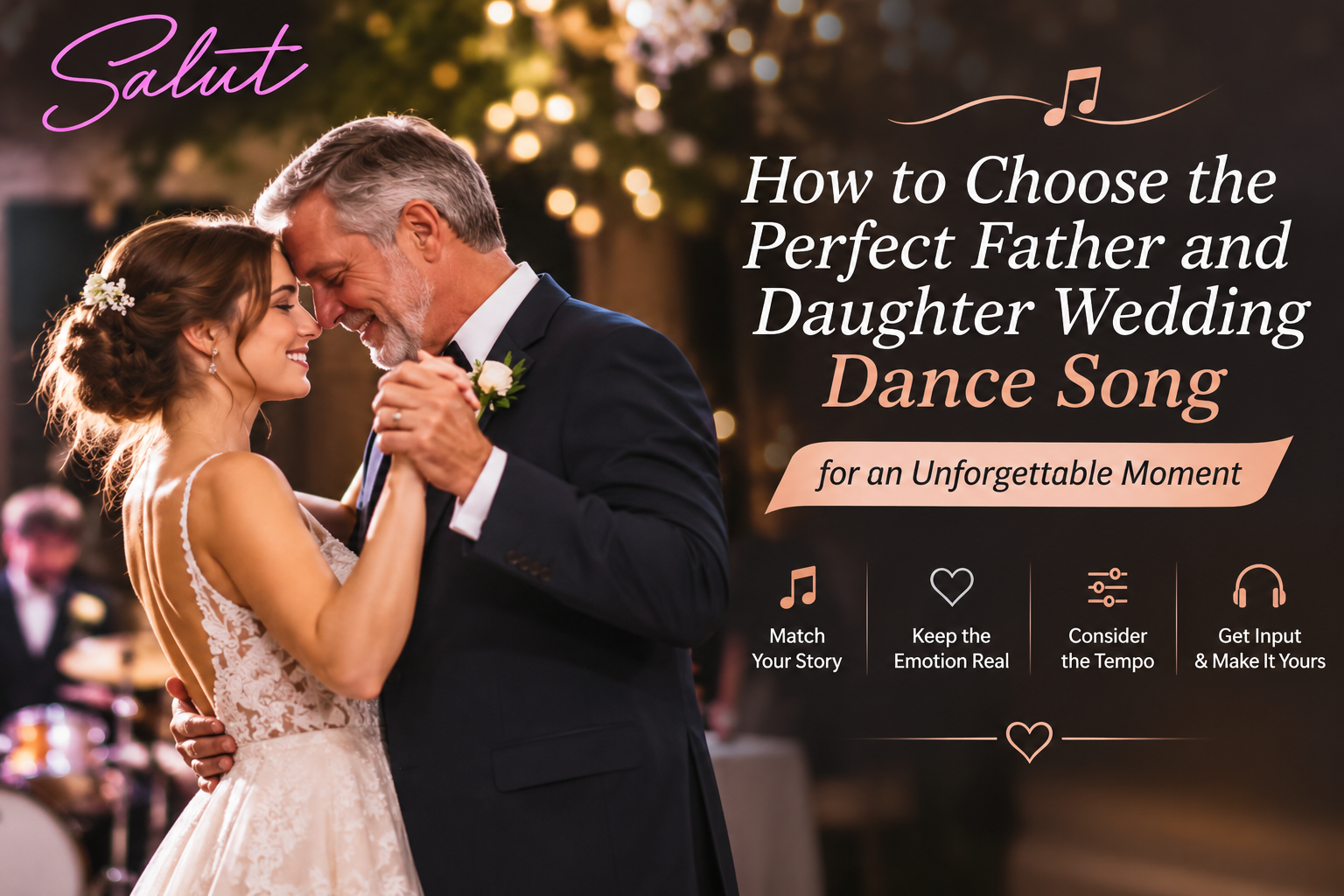

The first dance belongs to the couple. The father and daughter dance belongs to a lifetime that came before it. It is a quiet thank you, set to music, in front of everyone who matters.
That is why the song choice deserves more thought than a quick search for "top ten" lists. The right track should sound like the two of you. It should make sense to your dad, to you and to the guests watching from the edge of the dance floor.
The best choices we see rarely come from a chart. They come from a car journey, a kitchen radio, a record your dad played every Sunday or a song he sang badly at family parties.
Before you look at any list, sit down together and ask a few simple questions:
-Which songs remind you of growing up together?
- Is there an artist your dad has loved for decades?
- Did a song mark a big moment, like a graduation, a holiday or a move?
- Do you want the moment to feel tender, joyful or a little bit cheeky?
If a song with a story comes up, it usually beats a "popular" pick every time. Guests feel that connection, even if they do not know the history behind it.


Traditionally, the father and daughter dance follows straight after the couple's first dance. Some families prefer to have the dad cut in halfway through the first dance song instead. Others hold it later in the evening as a surprise.
Where it lands affects what you should choose. A slow ballad straight after a slow first dance can make the room feel flat. If your first dance is gentle, a warmer, more upbeat song can lift the energy before the party starts. Our ultimate wedding music timeline shows how each key moment fits together, and it is worth reading alongside our guide on balancing live music and speeches at weddings.
Many classic songs run longer than that. With recorded music, the usual fix is a fade-out. With a live band, it is much more natural: we can play a shorter arrangement that ends on a proper finish, rather than the volume simply dropping away. Tell us where you would like the song to end, and we will build the arrangement around that point.

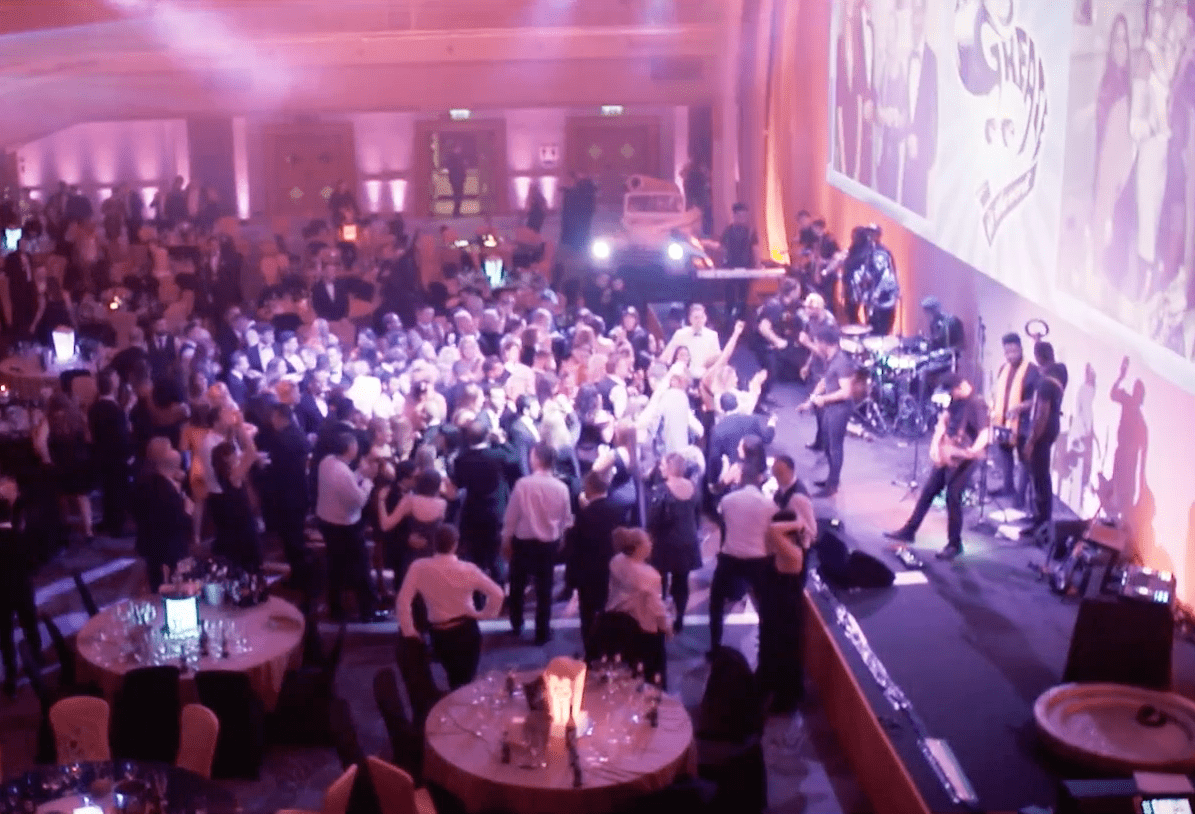
Be honest about how confident you both feel. A slow song means a lot of eye contact and very little to hide behind. A mid-tempo song gives you room to sway, spin and laugh together.
A few points worth weighing up:
- Slow and steady suits dads who prefer a simple step and a big hug at the end.
- Mid-tempo soul and pop works well for families who want smiles rather than tears.
- A two-part medley starts slow, then switches into a party track, which is a lovely way to hand over to the dance floor.
Think about the dress too. A long train or a fitted silhouette limits how much spinning is realistic.
If you are still searching, here are some well-loved songs that sit comfortably in our world of funk, soul and pop. Each one has a story that makes it work for this moment.
"Unforgettable" by Natalie Cole with Nat King Cole. Nat King Cole first recorded the song in 1951. In 1991, his daughter Natalie released a "virtual duet" with her late father's recorded voice, and it won three Grammy Awards, including Record of the Year. The duet runs at about three and a half minutes. It is hard to think of a song more fitting for a father and daughter.
"Isn't She Lovely" by Stevie Wonder. Released on Songs in the Key of Life in 1976, it celebrates the birth of his daughter, Aisha. The album version runs well over six minutes, so this is a perfect example of a song we would shorten for the dance.
"My Girl" by The Temptations. Written by Smokey Robinson and Ronald White, and released in December 1964, it became the group's first US number one. At under three minutes, it is the right length already, and its feel-good soul sound brings out smiles straight away.
"What a Wonderful World" by Louis Armstrong. First released in 1967, it reached number one on the UK Official Singles Chart in 1968. It is gentle, warm and easy to dance to, even for the least confident dad.
"Daughters" by John Mayer. Taken from his 2003 album Heavier Things, it won Song of the Year at the 2005 Grammy Awards. It suits families who love a modern acoustic feel.
"Dance With My Father" by Luther Vandross. Written with Richard Marx as a tribute to Vandross's own father, it won Song of the Year at the 2004 Grammy Awards. Some brides choose it to honour a father who is no longer with them, sometimes dancing with another family member instead. Handled with care, it can be one of the most moving moments of the day.
Want to see what else couples are asking for this year? Our round-up of wedding music for 2026 covers the songs we are playing most right now.
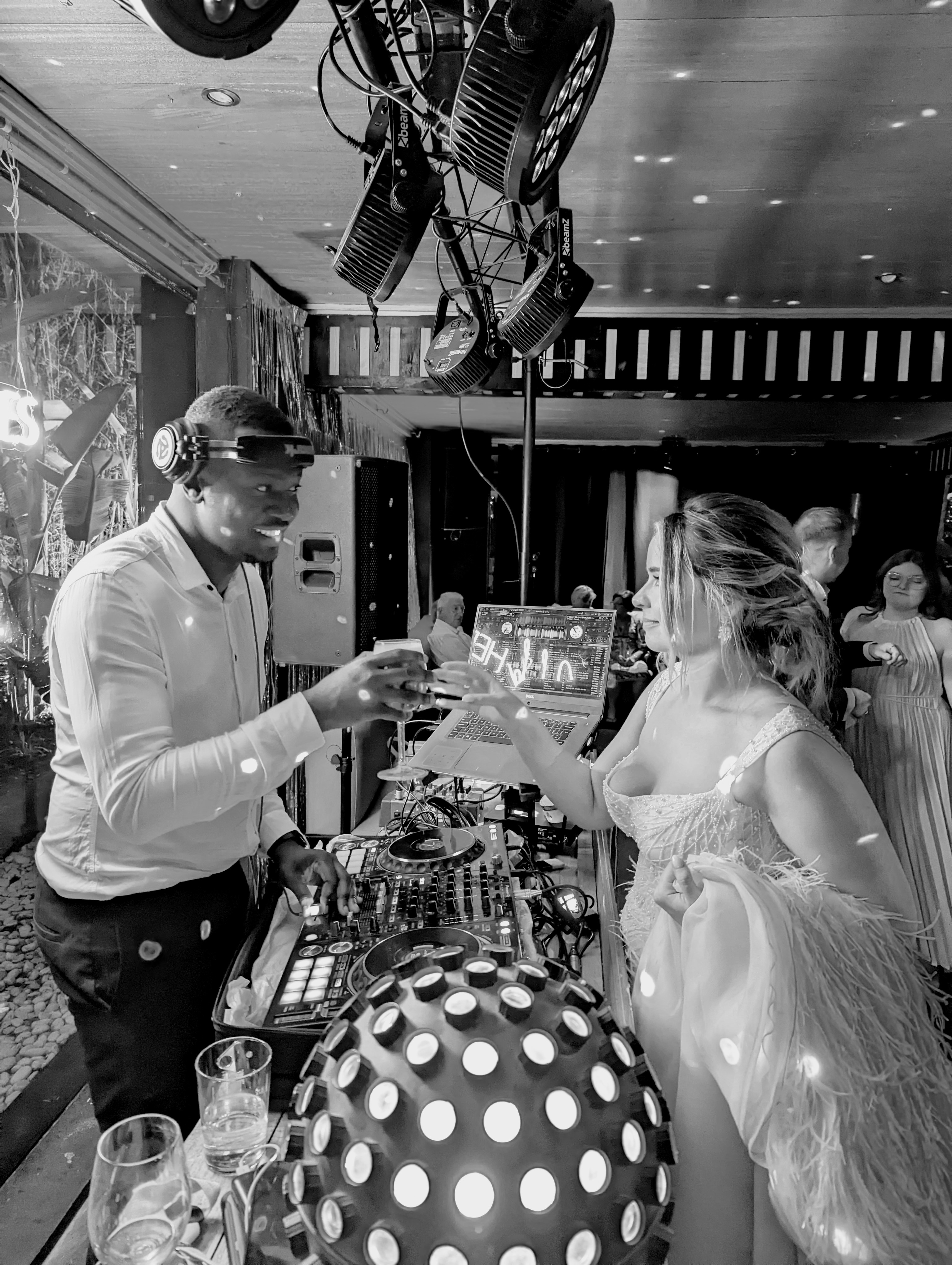
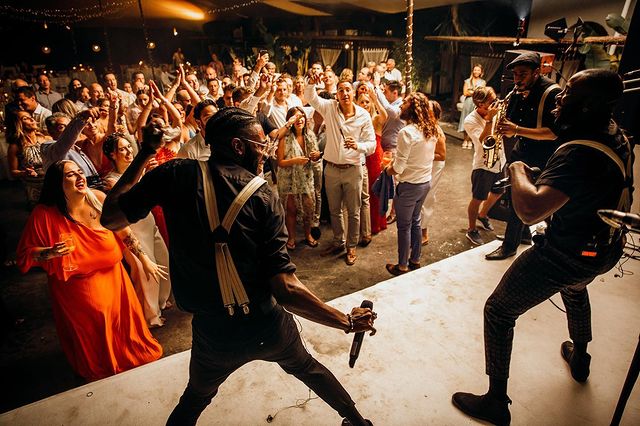
A recording sounds the same at every wedding. A live performance happens once, in that room, for that father and that daughter. Our singer can look at you both, the band can hold a pause while your dad dips you, and the ending can land exactly when the two of you are ready.
There is real reasoning behind that feeling, which we explore in the science behind why live music feels more exciting. If you are still deciding between musicians and a playlist, our guide to live wedding bands vs DJs lays out the pros and cons honestly.
As our FAQs explain, we are happy to learn your first dance song or special requests, and that includes your father and daughter dance. Our line-up covers vocals, guitar, bass, keys and drums, so we can adapt most songs to suit the moment.
A little planning goes a long way. These are the tips we share with every family we work with:
- Choose early. Pick your song when you book your live wedding band, not the week before. It gives us time to learn it properly.
- Send us the exact version. There are often several recordings of the same song. Share the one you love so we match the right feel.
- Agree where it ends. Pick a line or chorus where you would like the song to finish.
- Practise a few times. Even a simple sway feels easier after a couple of run-throughs in the living room.
- Plan the handover. Decide whether guests join you halfway, or whether the band kicks straight into a party song. Our tips on keeping the dance floor full all night help with this.
- Brief your photographer. Let them know when the dance is happening so they are ready for the best angles.
For more insider advice, read 7 things your wedding band wishes you knew before the big day.


Not every family wants a traditional slow dance. Here are a few twists we love:
- The surprise switch. Start with a classic ballad, then break into a high-energy funk or pop track you have secretly rehearsed.
- The family dance. Invite siblings, grandparents or step-parents to join after the first verse.
- A song from his era. Choose a track your dad danced to when he was your age, and watch his face when the first notes play.
- Live and recorded together. If you have your heart set on a specific recording, our live band and DJ combo packages let you have both.
Planning something smaller? The same ideas work beautifully at intimate celebrations, as we cover in is live music worth it for small weddings.